
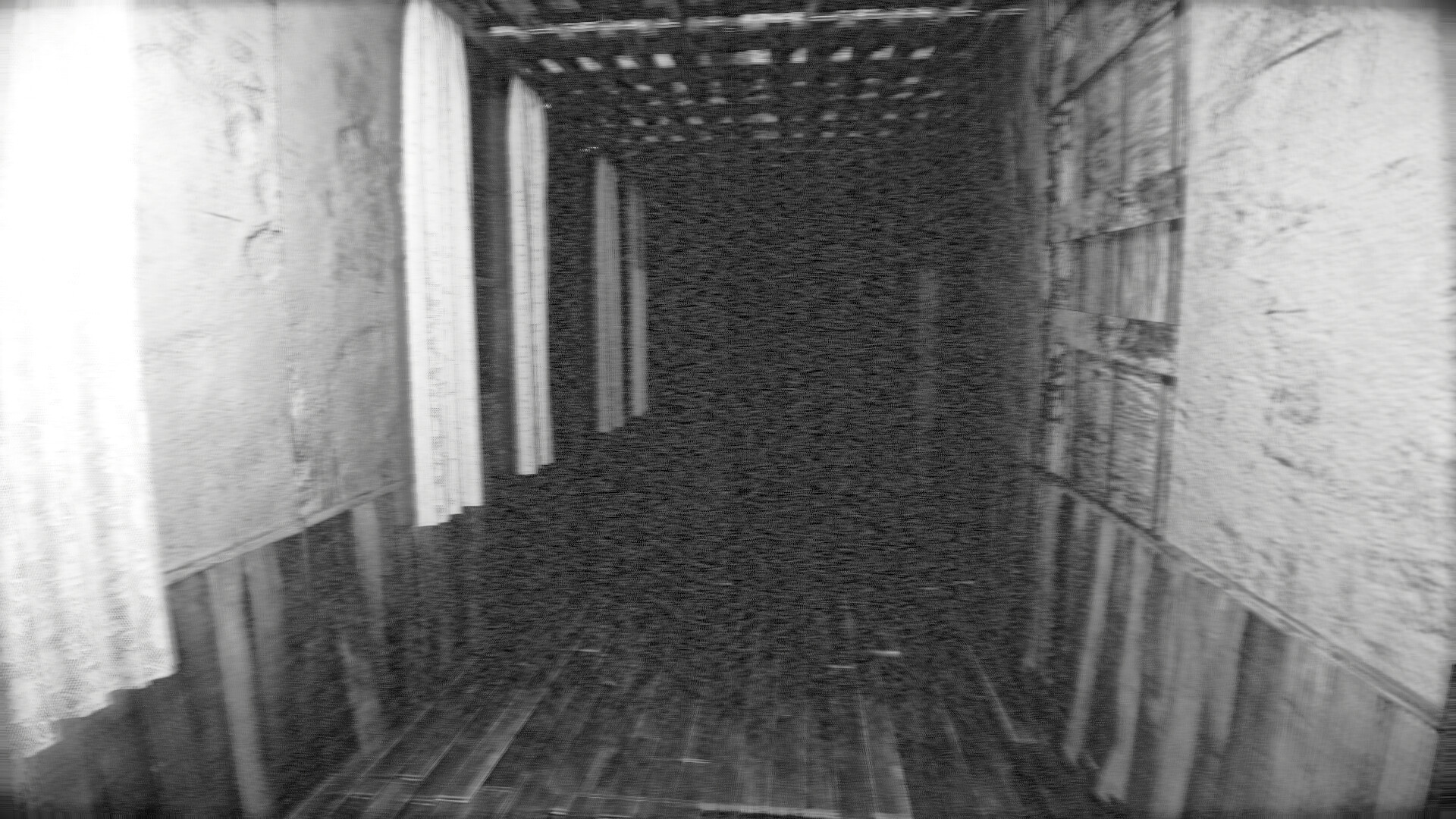
This week’s Fear Friday features two very different horror experiences united by oppressive atmosphere, psychological dread, and terrifying supernatural forces. From the claustrophobic nightmare apartment of Until They Burn to the plague-ridden cursed lands of Devil of the Plague, both games explore fear through ritual, mystery, and survival against forces far beyond human understanding.
Until They Burn Delivers Claustrophobic Psychological Horror
Psychological horror thrives on tension, atmosphere, and the feeling that something is deeply wrong long before the game ever explains why. Runebox Studio’s Until They Burn leans heavily into that unease, trapping players inside a burned apartment where disturbing visions and eerie rituals slowly unravel a tragic mystery.
Now released on Steam, Until They Burn is a short first-person psychological horror experience focused on exploration, environmental storytelling, and unsettling imagery. Rather than relying purely on jump scares, the game builds dread through its confined setting, surreal events, and the haunting task at the center of the experience: burning dolls in a fireplace to escape.
➡️ View Until They Burn on Steam
A Haunted Apartment Filled With Nightmares
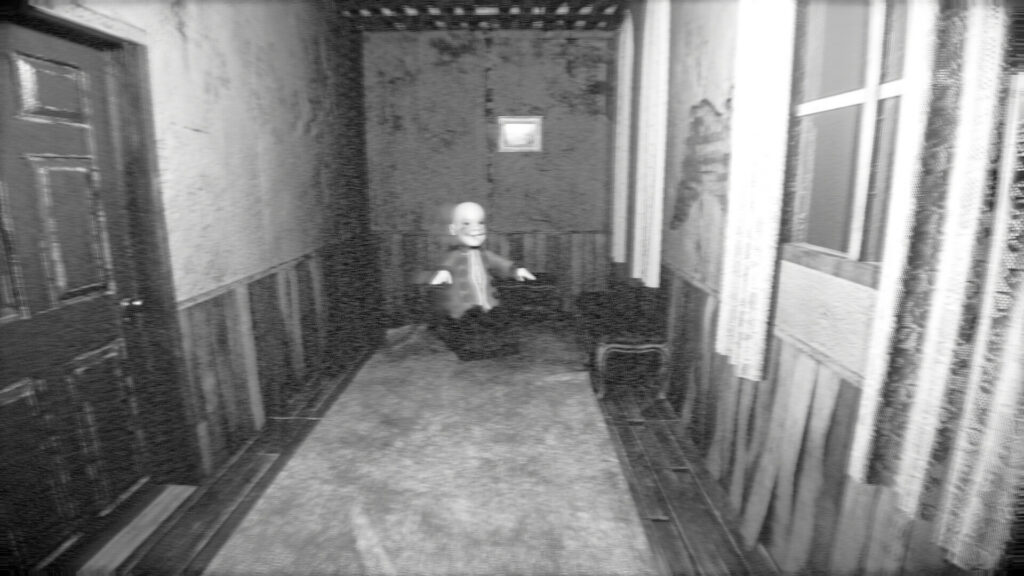
The story begins with recurring nightmares of fire and desperate cries for help. Those visions lead players to the apartment of Anne Penrose, a woman who disappeared following a devastating fire. Her body was never recovered, and local rumors surrounding the tragedy have only grown over time.
Inside the apartment, the situation quickly spirals into something far stranger. Doors lock behind you, reality begins to distort, and grotesque dolls become the key to survival. To escape, players must locate and burn the dolls while piecing together what happened inside the apartment.
The game’s strongest feature is its oppressive atmosphere. Burned walls, dim lighting, flickering shadows, and warped environmental details create a constant sense of discomfort. The confined apartment setting also works in the game’s favor, making every hallway and room feel increasingly claustrophobic as the horror escalates.
Let’s Play Spotlight – TTone
Horror creator TTone YouTube Channel recently explored Until They Burn, highlighting the game’s unsettling atmosphere and disturbing imagery.
Devil of the Plague Brings Ritual Horror and Co-Op Survival

While Until They Burn focuses on isolated psychological terror, SoulByte Games’s Devil of the Plague shifts the Fear Friday spotlight toward cooperative survival horror inspired by plague-era mysticism and ancient mythology.
Currently available in Early Access, Devil of the Plague is a 1–4 player co-op horror game where players take on the role of plague doctors attempting to stop the return of ASAG, an ancient demon pulled from Sumerian myth. The game blends ritual mechanics, survival systems, exploration, and psychological horror into a dark multiplayer experience where fear emerges dynamically from player actions and escalating threats.
➡️ View Devil of the Plague on Steam
Ancient Evil and Ritual Survival
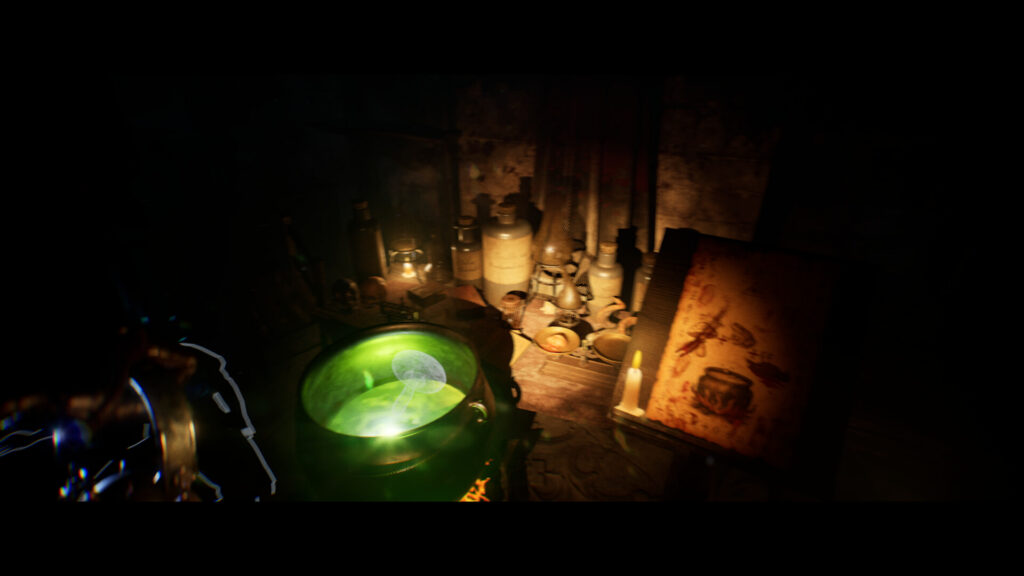
The setup behind Devil of the Plague immediately stands out thanks to its mythological horror angle. ASAG’s corruption spreads across the land through plague and madness, forcing players to investigate cursed locations, perform forbidden rituals, and survive increasingly dangerous encounters.
The plague doctor aesthetic gives the game a distinct visual identity, reinforced by eerie ritual chambers, occult imagery, bloodstained environments, and dimly lit ruins. Screenshots from the Steam page highlight ritual altars, corrupted entities, alchemy systems, and environmental storytelling that leans heavily into dread and supernatural folklore.
One of the more interesting mechanics is the balance between light and darkness. Light offers temporary safety from the horrors lurking in the world, but it may also attract danger. Darkness can conceal players, yet remaining there too long appears to carry psychological consequences. That risk-reward tension could make cooperative exploration especially tense during longer sessions.
Co-Op Horror With Dynamic Fear
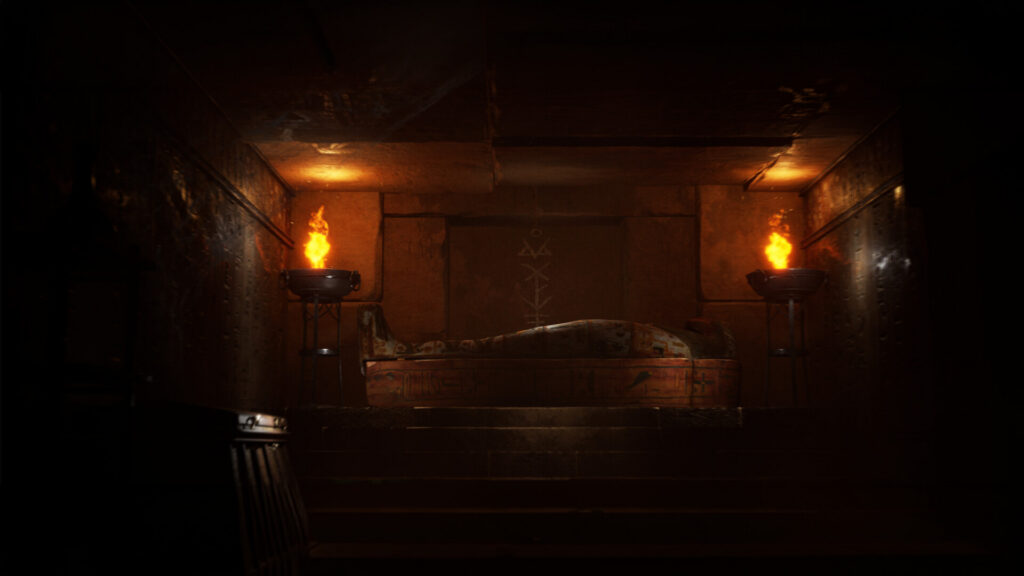
Unlike scripted horror games where scares happen at fixed moments, Devil of the Plague appears designed around emergent tension. Players must work together to gather ritual materials, complete objectives, revive fallen teammates, and survive corrupted regions that become increasingly hostile.
The game also includes alchemy systems, ritual crafting, and a death mechanic tied to “Araf,” a mysterious realm between life and oblivion. Fallen players are not immediately gone forever, but rescuing them requires dangerous rituals while threats continue hunting the surviving team.
That combination of cooperative survival, ritual systems, and psychological horror gives Devil of the Plague a structure that feels closer to a persistent supernatural investigation rather than a traditional jump-scare experience.
Final Thoughts
This week’s Fear Friday lineup highlights two very different approaches to indie horror.
Until They Burn delivers a compact and claustrophobic psychological nightmare focused on atmosphere and disturbing imagery inside a confined apartment setting.
Meanwhile, Devil of the Plague expands horror outward into cursed landscapes filled with plague, rituals, mythological demons, and cooperative survival tension.
For fans of atmospheric indie horror, both games tap into the same kind of dread-driven experience that inspires titles like No One Leaves the Field — where isolation, folklore, and the unknown become just as dangerous as the monsters themselves.
If you enjoy horror built around oppressive atmosphere, exploration, supernatural lore, and psychological tension, these are both worth adding to your radar for Fear Friday.
➡️ Wishlist No One Leaves the Field on Steam
Join the Saga!
Want to discover indie games before everyone else?
Get monthly indie game highlights, hidden gems, and upcoming titles worth watching — straight to your inbox.
Or support Indie Sagas on Patreon to help us continue covering the indie stories that matter.
#JoinTheSaga